
Losing teet can affect your ability to chew, speak, smile and feel confident. Thankfully, modern dentistry offers several excellent solutions. Three of the msot common options include:

  • Traditional Dentures
  • Implant-Supported Dentures
  • Partial Dentures

Each option offers unique benefits and considerations. This guide breaks down the pros and cons of all three so you can choose the treatment that best fits your goals, lifestyle, and budget.

Traditional Dentures

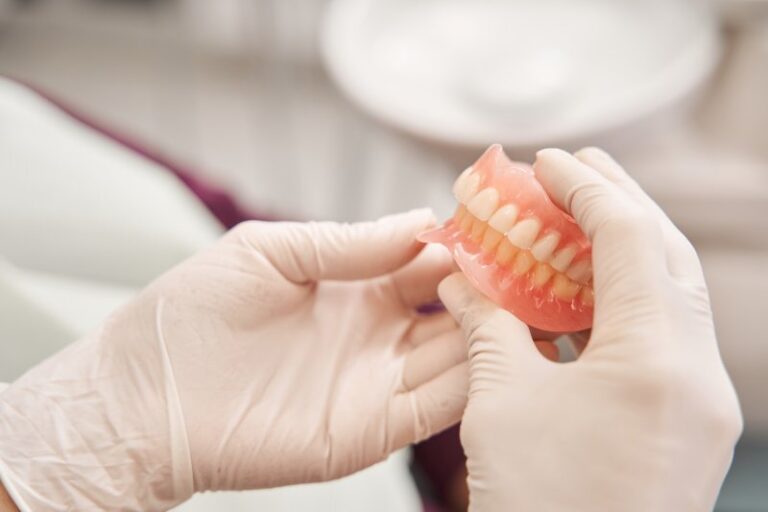
Traditional dentures are removable appliances designed to replace all teeth in the upper arch, lower arch, or both.

  • Affordability: Traditional dentures tend to be the most budget-friendly tooth replacement option.

  • Non-surgical: No surgery or implants are required, making them ideal for patients who want a quicker solution.

  • Faster results: Dentures can often be made within a few weeks, restoring your smile quickly.

  • Restore appearance and basic function: They improve facial shape, support lips and cheeks, and help with chewing and speaking.

  • Easy to adjust or remake: Dentures can be relined or replaced as your mouth changes over time.

  • Can shift or feel or unstable: Because they rest on the gums, traditional dentures can move while eating or talking.

  • May require adhesives for extra stability: Some patients use adhesive to feel more secure.

  • Lower chewing efficiency: You may need to avoid sticky or very hard foods.

  • Bone loss continues: Without tooth roots or implants to stimulate the jawbone, bone shrinkage occurs over time.

  • Periodic adjustments needed: As gums and bones change, dentures must be relined to maintain comfort.

Implant-Retained Dentures

Implant-supported dentures attach securely to dental implants placed in the jawbone. They can be snap-on removable dentures or fixed (non-removable) dentures.

  • Superior stability: Implants anchor the denture, preventing slipping, clicking or movement.

  • Better chewing power: Patients often enjoy an improved diet and can eat more comfortably.

  • Help prevent bone loss: Implants stimulate the jawbone, reducing bone shrinkage over time.

  • More natural feel: Feels closer to natural teeth since the denture attaches to stable implants.

  • Increased confidence: No adhesives needed. Dentures stay in place when speaking, laughing or eating.

  • Long-term solution: With proper care, implants can last decades or even a lifetime.

  • Can shift or feel or unstable: Because they rest on the gums, traditional dentures can move while eating or talking.

  • May require adhesives for extra stability: Some patients use adhesive to feel more secure.

  • Lower chewing efficiency: You may need to avoid sticky or very hard foods.

  • Bone loss continues: Without tooth roots or implants to stimulate the jawbone, bone shrinkage occurs over time.

  • Periodic adjustments needed: As gums and bones change, dentures must be relined to maintain comfort.

Partial Dentures

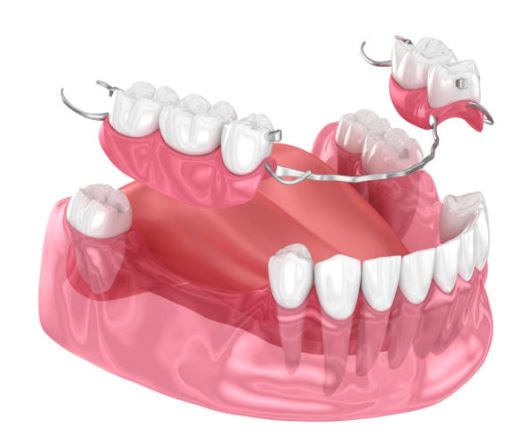
Partial dentures are used when some natural teeth ramin and only a few need to be replaced. They fill the gaps while helping maintain your bite and smile.

  • Preserve natural teeth: Designed to fit around your existing teeth rather than replacing a full arch.

  • Improve chewing and speaking: Help restore function and make eating and talking easier.

  • Maintain facial structure: Prevent the “sunken” look that can happen with teeth are missing.

  • Prevent shifting: Keep remaining teeth from drifting into empty spaces.

  • Removable and easy to clean: Can be taken out daily for hygiene.

  • More affordable than implants: Typically less expensive than implant-supported options.

  • Quicker treatment: Usually completed faster than implant procedures.

  • May feel bulky at first: It can take time to adjust to the fit and feel.

  • May require adhesives for extra stability: Some patients use adhesive to feel more secure.

  • Lower chewing efficiency: You may need to avoid sticky or very hard foods.

  • Bone loss continues: Without tooth roots or implants to stimulate the jawbone, bone shrinkage occurs over time.

  • Periodic adjustments needed: As gums and bones change, dentures must be relined to maintain comfort.

Choosing between traditional dentures, implant-retained dentures, and partial dentures comes down to your oral health, lifestyle and budget. A dental exam and conversation with yoru dentists can help you decide which option is best for you. Today’s dental solutions can restore your smeil, improve comfort, and help you feel confident again so you can eat, speak and live more easily.

Categories: Health, Wellness

by stockbridge denture

Share

Related Posts