
Losing teet can affect your ability to chew, speak, smile and feel confident. Thankfully, modern dentistry offers several excellent solutions. Three of the msot common options include:
- Traditional Dentures
- Implant-Supported Dentures
- Partial Dentures
Each option offers unique benefits and considerations. This guide breaks down the pros and cons of all three so you can choose the treatment that best fits your goals, lifestyle, and budget.
Traditional Dentures
Traditional dentures are removable appliances designed to replace all teeth in the upper arch, lower arch, or both.
Implant-Retained Dentures
Implant-supported dentures attach securely to dental implants placed in the jawbone. They can be snap-on removable dentures or fixed (non-removable) dentures.
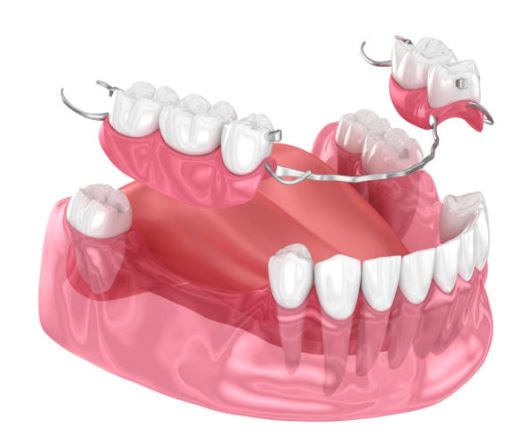
Partial Dentures
Partial dentures are used when some natural teeth ramin and only a few need to be replaced. They fill the gaps while helping maintain your bite and smile.
Choosing between traditional dentures, implant-retained dentures, and partial dentures comes down to your oral health, lifestyle and budget. A dental exam and conversation with yoru dentists can help you decide which option is best for you. Today’s dental solutions can restore your smeil, improve comfort, and help you feel confident again so you can eat, speak and live more easily.
by stockbridge denture
Share
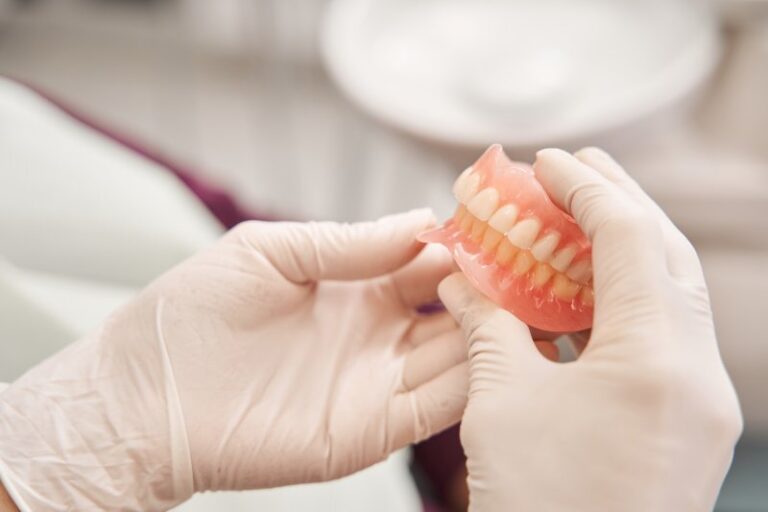
Tooth loss affects millions of adults, yet many people hesitate to explore dentures because of outdated ideas and long-standing misconceptions. The truth is, today's dentures are dramatically more comfortable, natural-looking, and functional than the bulky models of decades past.

If you've ever noticed that some dentures look just like natural teeth while others have that unmistakable "denture look," you're not imagining things. The difference isn't luck — it comes down to three key factors that make all the difference in achieving a natural smile:

If you wear dentures, proper care and maintenance are essential to keeping your smile healthy and comfortable.

Dentures are a popular solution for replacing missing teeth, helping millions of people regain their smiles and oral function. However, like any dental appliance, dentures can come with challenges that affect comfort, speech, and eating habits.